









Succession Planting Made Simple
Have you ever planted your whole garden at once, only to watch your beautiful, thriving plants produce a massive harvest that quickly fizzles out? Instead of a short burst of productivity, we can help you grow sustainably all season long. Succession planting is an eco-friendly technique that transforms your garden into a continuous cycle of growth from early summer right through the fall.Instead of treating your garden as a single event, succession planting focuses on strategic timing and crop rotation to maintain a consistent, bountiful harvest.
What Is Succession Planting?
Succession planting is a horticultural method where crops are sown in staggered intervals rather than all at once. This smart, sustainable approach prevents plant overcrowding, extends your harvest windows, and keeps your soil actively engaged throughout the growing season. There are several simple, highly effective ways we recommend approaching it:- Staggered sowing: Replant the same crop every few weeks for a steady, continuous supply.
- Crop rotation: Follow an early-season crop with a new variety as soon as space opens up.
- Interplanting: Mix fast-growing vegetables alongside slower-maturing ones to maximize your garden’s footprint.
Vegetables Perfect for Successive Plantings
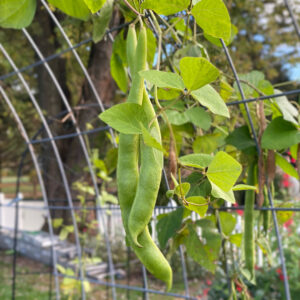
Some vegetables grow rapidly and respond beautifully to staggered sowings. Here is a quick guide to help you boost your garden yield:- Bush beans: Plant new rows every 2 to 3 weeks.
- Lettuce and greens: Sow small batches frequently to avoid heat-induced bolting.
- Cucumbers: Add a second planting mid-season for a late-summer harvest.
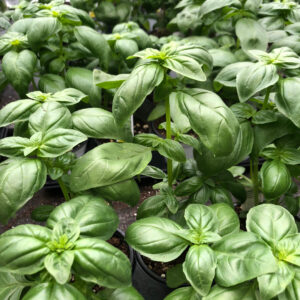
- Basil: Replant after a heavy harvest to keep your herb garden fresh.
Transitioning Between Crops
Succession planting really shines when early vegetables finish producing. Rather than leaving empty soil to dry out or attract weeds, we can immediately introduce new plants to maximize space. Great transitional examples include:- Replacing harvested spring spinach with warm-weather bush beans
- Following quick-growing radishes with cucumbers
- Swapping out early peas for climbing beans
Keeping Soil Healthy Between Plantings
Because we are asking our soil to support repeated growth, we must actively nurture it. Adding organic compost between crops is a fantastic, eco-friendly way to replenish vital nutrients and improve soil structure without relying on heavy synthetic fertilizers. Simply loosen the soil gently after removing old plants, work in your organic matter, and water deeply before installing new seeds or transplants.Planning Ahead Without Overthinking
Succession planting does not need to be complicated. If you are a beginner, start with just one or two crops and expand as your confidence grows. Even small adjustments—like sowing a few extra rows of beans later in the season—can significantly boost your garden yield.Keep Your Garden Thriving
Succession planting turns your vegetable garden into a continuous source of fresh, organic produce rather than a single, fleeting harvest window. By staggering sowing times and rotating crops thoughtfully, you can enjoy steady production while promoting biodiversity. Looking to build your first succession plan or need advice on eco-friendly tools and seeds? Our experts are always ready to help you nurture your plants and garden with confidence.