









Late Spring Hydrangea Care
As we welcome the warmer days of May and June, hydrangeas are preparing to become the true stars of our summer gardens. The care we provide them right now is essential for a thriving, beautiful display. During late spring, these brilliant shrubs are actively leafing out, setting their buds, and establishing the structural growth that will support their spectacular blooms. By offering thoughtful, eco-friendly attention today, we can help prevent common issues like poor flowering or heat stress later in the season. Let’s explore how to nurture your hydrangeas for optimal, sustainable growth!
What Your Hydrangeas Need Right Now
Late-spring is a vital period of transition. As soil temperatures gently rise, root systems awaken and direct energy into lush new growth. To boost your garden yield and keep your plants thriving, our key priorities should include:- Maintaining consistent moisture without waterlogging the roots.
- Ensuring proper light exposure for your specific hydrangea variety.
- Applying minimal, organic-friendly fertilization.
- Practicing restraint and avoiding unnecessary pruning.
Know Your Hydrangea Type
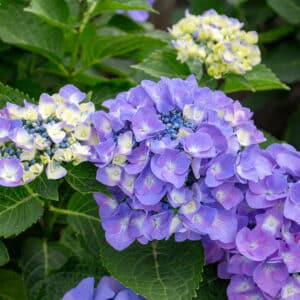
Understanding the unique botanical needs of your hydrangeas is incredibly rewarding. Different species form flower buds at different times, which dictates our late-spring approach:- Bigleaf (Hydrangea macrophylla) & Mountain (Hydrangea serrata): These typically form buds on old wood (and sometimes new wood, depending on the variety). Protect existing buds and avoid pruning!
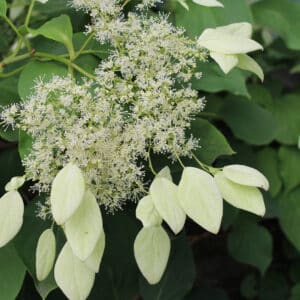
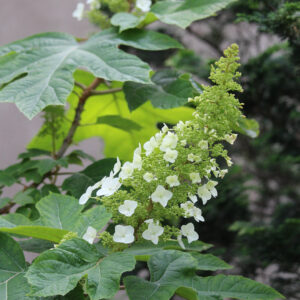
- Oakleaf (Hydrangea quercifolia) & Climbing (Hydrangea anomala): Blooming on old wood, these require no pruning right now unless absolutely necessary after flowering.
- Smooth (Hydrangea arborescens) & Panicle (Hydrangea paniculata): These bloom on new wood. No pruning is needed yet; structural cuts can wait until later.
Watering: Consistent, Not Constant
Hydrangeas certainly love their water, but they do not thrive in soggy soil. To practice eco-friendly gardening, opt for deep, infrequent watering at the base of the plant. This encourages roots to grow downward, building natural drought resilience. Be sure to check soil moisture before watering, and adjust your routine based on local rainfall. Adding a layer of organic mulch helps moderate soil temperature and retain vital moisture—just remember to keep it a few inches away from the stems to ensure good airflow.Fertilizing: Less Is Truly More
When it comes to feeding, late spring is not the time for a heavy hand. Excess nitrogen promotes rapid leafy growth at the expense of those gorgeous flowers, and it can even weaken the stems. Instead, focus on soil health. If your plant appears weak, apply a balanced, slow-release, or organic fertilizer just once. In rich, healthy soils, hydrangeas often need little to no extra food during this period.Sun and Placement Check
As our canopy trees leaf out and the sun’s angle changes, the microclimates in our yards shift. May and June are the perfect times to reassess light conditions. Most hydrangeas thrive with gentle morning sun and cooling afternoon shade. They also appreciate protection from drying winds and good air circulation to reduce disease pressure. Keep an eye out for drooping leaves that don’t recover overnight or scorched leaf edges—these are gentle signs your plant might be getting too many harsh rays.Setting the Stage for Summer Blooms
By observing closely and letting nature take its course, we set the stage for a thriving garden. Healthy foliage and robust stems formed now directly support the size, vibrant color, and longevity of your summer blooms. Hydrangeas always reward our patience and consistency more than aggressive intervention. If you have questions about eco-friendly care, specific hydrangea varieties, or sustainable garden tools, the knowledgeable team at Strader’s Garden Center is always here to help. Let’s make confident, sustainable choices together for a beautiful season!