Late spring is a period of rapid growth across the landscape. Trees leaf out, shrubs push fresh shoots, and perennials begin to fill in. At the same time, insect activity increases, and several common pests begin to establish themselves on outdoor plants. While many insects are beneficial, certain sap-feeding pests can multiply quickly during May and June, often going unnoticed until visible damage appears.
Staying alert to early signs of aphids, scale, and spider mites allows gardeners to respond before plant health is significantly affected. Careful observation and timely action help maintain a balanced landscape while avoiding unnecessary treatments.
Why Late Spring Is Prime Pest Season
As temperatures rise and daylight hours lengthen, insect life cycles accelerate. Many landscape plants are also producing soft, nutrient-rich new growth, making them especially attractive to feeding insects.
Several conditions can increase pest pressure:
- Rapid new growth encouraged by fertilizer
- Warm, dry weather patterns
- Dense plantings with limited airflow
- Plants under stress from inconsistent watering
Routine inspection during late spring helps prevent minor issues from developing into larger infestations.
Common Late Spring Landscape Pests to Watch
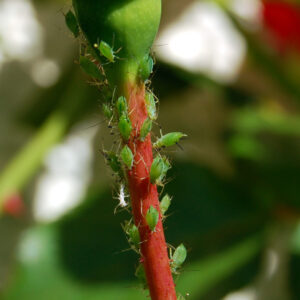
Aphids
Aphids are small, soft-bodied insects that cluster on new growth, buds, and leaf undersides. They feed by extracting sap, weakening plant tissue over time.
Early signs include:
- Curled or distorted leaves.
- Sticky residue (honeydew) on foliage or nearby surfaces.
- Increased ant activity.
Aphids reproduce quickly but are often manageable when identified early.
Scale Insects
Scale insects attach themselves to stems and branches, appearing as small, immobile bumps. Because they do not move, infestations may go unnoticed until plant decline becomes visible.
Watch for:
- Hard or waxy bumps along stems.
- Yellowing leaves.
- Reduced vigor or slowed growth.
- Sooty mold forming on honeydew.
Scale insects weaken plants gradually, making regular inspection essential.
Spider Mites
Spider mites thrive in warm, dry conditions and are most commonly found on the undersides of leaves. Though extremely small, they can cause noticeable damage when populations increase.
Warning signs include:
- Fine webbing between leaves or stems.
- Speckled, stippled, or bronzed foliage.
- Leaves that appear dull or dusty.
Because spider mites reproduce rapidly, early detection is key.
Quick Identification Guide
| Pest |
Where to Look |
Visible Damage |
First Step |
| Aphids |
New growth, buds |
Curling leaves, sticky residue |
Rinse with water |
| Scale |
Stems, branches |
Yellowing, slow decline |
Manual removal or oil spray |
| Spider Mites |
Undersides of leaves |
Speckling, webbing |
Rinse foliage, increase humidity |
Additional Landscape Pests to Watch
While aphids, scale, and spider mites are among the most common, several other pests often appear in late-spring landscapes.
Caterpillars
Various caterpillar species begin feeding on trees and shrubs as temperatures warm. Damage often appears as chewed or skeletonized leaves. Some species may also create webbing in branches.
Slugs and Snails
Cool, damp conditions favor slugs and snails, especially in shaded beds and around perennials. They feed at night, leaving ragged holes in foliage and visible slime trails.
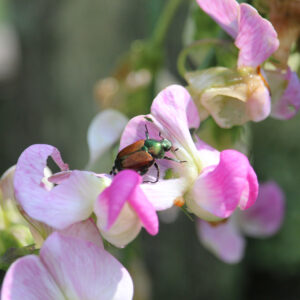
Japanese Beetles (Early Activity)
In some areas, Japanese beetles begin emerging in late spring. These insects feed on a wide range of ornamental plants, often leaving behind skeletonized leaves.
Natural Ways to Manage Early Infestations
Late spring is an ideal time to use gentle control methods that protect beneficial insects while managing pests.
Start with simple approaches:
- Rinse foliage with a steady stream of water.
- Prune out heavily infested stems.
- Encourage natural predators such as lady beetles and lacewings.
If additional control is needed, insecticidal soaps and horticultural oils can be effective when applied properly, especially during cooler parts of the day.
Preventing Pest Problems in the Landscape
Healthy plants are less attractive to pests and recover more easily from minor damage. Good cultural practices remain one of the most effective prevention strategies.
Focus on:
- Proper plant spacing to improve airflow.
- Balanced fertilization to avoid excessive soft growth.
- Consistent watering to reduce plant stress.
- Regular inspection of leaves, stems, and new growth.
Avoid applying treatments during peak pollinator activity, especially when plants are in bloom.
When to Take Action
Not every pest requires immediate treatment. Small populations are often controlled naturally by beneficial insects already present in the landscape.
Intervention becomes necessary when:
- Pest populations increase rapidly.
- Visible plant stress develops.
- Damage begins to affect the plant’s overall health.
Monitoring patterns over time is more effective than reacting to a single sighting.
A Balanced Approach to Late Spring Pest Management
Late spring pest control is less about reacting and more about observing. By recognizing early signs of aphids, scale, and spider mites, gardeners can take targeted action that protects plant health without disrupting beneficial insect activity.
A well-maintained landscape supports both plant vigor and ecological balance. With consistent observation and thoughtful care, most pest issues can be managed before they become serious problems.
If you need help identifying a pest or selecting an appropriate treatment, our knowledgeable team at Strader’s Garden Center is always available to help keep your landscape thriving.