










Keeping Your Indoor Plants Happy: A Guide to Cleaning Leaves
Did you know that your indoor plants quietly collect dust, pollen, pet dander, and everyday household debris? While a little dust might just look like a cosmetic issue, it actually has a direct impact on your plant’s overall health. When leaves are covered in dust, they absorb less light and photosynthesize less efficiently. Plus, they can become more vulnerable to pests and diseases! Regular cleaning is a wonderful, eco-friendly way to restore both the appearance and natural function of your plants, helping them grow sustainably year-round.
Why Dust Impacts Plant Health
Leaves are living surfaces beautifully designed to capture sunlight and exchange gases through microscopic pores called stomata. When dust builds up, it causes a few structural issues:- Reduces essential light absorption needed for growth
- Restricts vital gas exchange through the stomata
- Disrupts the plant’s natural moisture regulation
How Often to Clean Your Indoor Plants
Most of our houseplants thrive with a gentle routine cleaning every two to four weeks, though the exact timing depends on your household conditions. You may need to give them a little more attention if they are:- Nestled near windows or exterior doors.
- Positioned close to heating or cooling vents.
- Located in high-traffic areas of your home.
- Exposed to open fireplaces or breezes.
Best Leaf-Cleaning Methods
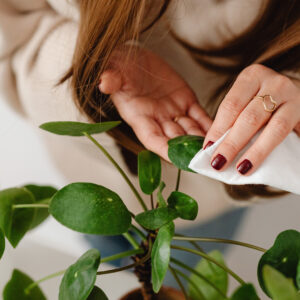
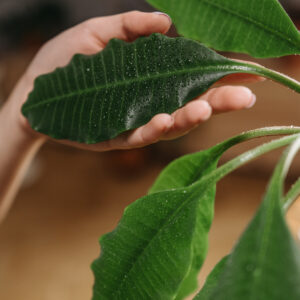
Choosing the right technique depends entirely on the leaf’s texture and structure. For smooth, sturdy leaves:- Wipe gently with a soft, damp cloth or organic sponge.
- Support the leaves from underneath with your hand to prevent tearing.
- Rinse them using lukewarm water in a sink, shower, or even outdoors on a mild day.
- Allow all the excess water to drain completely so the roots don’t stay soggy.
- Use a soft, dry brush (like a clean makeup or paintbrush) to gently sweep away dust.
- Avoid using water, which can get trapped in the fuzz and cause spotting or rot.
What to Avoid When Cleaning
To protect your plants and practice sustainable care, some common habits do more harm than good. Please avoid:- Commercial leaf-shine products that contain harsh chemicals.
- Oils, milk, or heavy homemade mixtures not scientifically formulated for plants.
- Extreme water temperatures (too cold or too hot).
- Applying excessive pressure or harsh scrubbing.
Cleaning as Natural Pest Prevention
Routine cleaning beautifully doubles as a regular pest inspection. While you are nurturing your plants, keep an eye out for:- Unexplained sticky residue on the foliage.
- Fine, delicate webbing between stems.
- Speckled or stippled spots on leaves.
- Tiny insects hiding along the stems or leaf joints.
Don’t Forget the Soil Surface
Dust and organic debris also collect at the soil level. When this happens, it can interfere with airflow and invite pests. Help your soil stay healthy by:- Removing fallen leaves and debris from the surface.
- Lightly loosening compacted topsoil to improve aeration
- Occasionally flushing your pots with fresh water to remove excess fertilizer salts.
Seasonal Benefits of Clean Plants
Clean leaves respond much more effectively to seasonal light changes and regulate their moisture more efficiently. Plants with clean leaf surfaces are simply better equipped to handle dry indoor winter air, brighter spring light, and their natural growth cycles. Regular leaf cleaning is one of the simplest, most rewarding ways to boost your indoor plant health. It enhances photosynthesis, reduces pest pressure naturally, and keeps your plants looking incredibly vibrant. If you need plant-specific cleaning tips or eco-friendly product recommendations, our team at Strader’s Garden Center is always happy to help you support a thriving indoor plant collection. Stop by and see us!