









Transforming Your Lawn into a Thriving Vegetable Garden
Are you dreaming of fresh, homegrown vegetables but have nothing but a lawn to work with? Converting your lawn (either part or whole) into a flourishing vegetable garden is not only feasible but also incredibly fulfilling. With a little planning, preparation, and dedication, you can turn that patch of grass into a bountiful source of fresh produce. Strader’s here to help you get started on this green journey:
Assess Your Space
Before you start digging, take some time to evaluate your lawn. Consider factors like sunlight exposure, soil quality, and drainage. Choose a spot that receives at least 6-8 hours of sunlight daily and has well-draining soil.
Plan Your Layout
Sketch out a rough plan for your vegetable garden. Consider the size and shape of your space, as well as the types of vegetables you want to grow. Group plants with similar water and sunlight needs together to maximize efficiency.
Test the Soil
Conduct a soil test to determine its pH level and nutrient content. This will help you identify any deficiencies and adjust accordingly when amending the soil.
Prepare the Soil
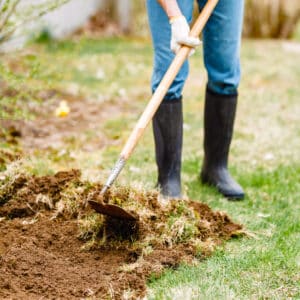
Transforming part of your lawn into a vegetable garden begins with preparing the soil. Start by removing the grass and weeds. You can use a sod cutter, tiller, or manually remove the turf. Once the grass is gone, loosen the soil to a depth of at least 8-12 inches using a garden fork or tiller.
Amend the Soil
Most lawns have compacted soil that lacks nutrients. Amend the soil by adding organic matter such as compost, aged manure, or leaf mold. Incorporate these amendments evenly into the soil to improve its texture, fertility, and drainage. Most vegetables prefer slightly acidic soil with a pH range of 6.0-7.0. Follow the recommendations provided by the soil test for adding lime, sulfur, or other nutrient amendments.
Create Raised Beds (Optional)
Consider creating raised beds for your vegetable garden, especially if your soil is heavy clay or poorly drained. Raised beds provide better control over soil quality, drainage, and weed suppression. Construct them using untreated wood, bricks, or concrete blocks or purchase one of our boxed kits that contain everything you need (except soil of course)
Consider Irrigation
Proper watering is essential for the success of your vegetable garden. Targeted watering is best to reduce weeds and runoff! Hand-water using a garden hose with a wand designed for a gentle soaking or a soaker hose to deliver water directly to the roots.
Choose Your Vegetables
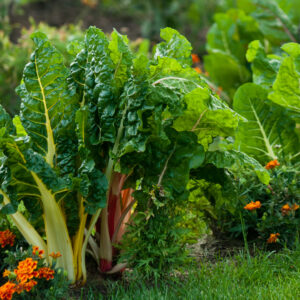
Select vegetables you enjoy eating and are well-suited to your climate, soil type, and available space. Consider factors like maturity time, companion planting, and crop rotation. Start with easy-to-grow varieties such as tomatoes, peppers, lettuce, carrots, and herbs.
Planting and Maintenance
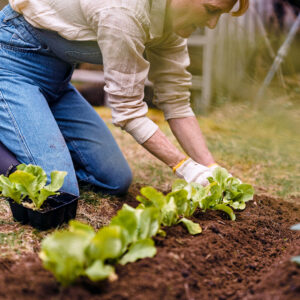
Follow the planting instructions provided on seed packets or plant labels. Space your plants according to their mature size to ensure adequate airflow and sunlight. Mulch around your plants with an organic mulch to suppress weeds, conserve moisture, and regulate soil temperature. Keep an eye out for pests and diseases and address them promptly using organic methods if possible.
Enjoy the Process
Converting a lawn into a vegetable garden is a labor of love that will be worth it after the hard work is done! Don’t be discouraged by setbacks or challenges along the way. Embrace the learning process, celebrate your successes, and savor the delicious rewards of your hard work.
If this is the year you turn a portion of your lawn into a veggie garden, Strader’s is here to assist you with all the supplies, tools, and information you need to be successful.