










Spring Fun with Your Dog
Spring is finally here. Longer days, warmer weather, and fresh scents in the air signal that it is time to get outside and enjoy the season. For dog owners, this is one of the best times of the year to bond with furry friends. Outdoor play, walks, and hikes can be rewarding but it is important to approach spring fun safely.
Why Spring Is Exciting for Dogs
After months of cold indoor confinement, dogs are eager to explore the outdoors. They enjoy longer walks, new smells, and extra exercise. Outdoor activities keep dogs physically fit and provide mental stimulation, helping prevent boredom-related behaviors at home.
Humans may feel ready for a full day of activity after a winter of low activity, but dogs, especially older pets, need a gradual reintroduction to exercise. Overdoing it can cause strains, sprains, or injuries like torn ligaments. Planning safe spring activities is essential.
Common Spring Injuries in Dogs
Veterinarians see an increase in injuries during the early spring months. Common issues include:
- Torn cruciate ligaments
- Muscle strains and sprains
- Paw pad abrasions from rough terrain
- Stiff joints in older dogs
For humans, the same seasonal enthusiasm can lead to sore knees, backs, and shoulders. Moderation and preparation are key to enjoying spring safely.
Safe Spring Activities for You and Your Dog
1. Gradual Walks
Start with short walks and slowly increase distance and intensity. Watch your dog’s energy levels and look for signs of fatigue.
2. Light Hiking
Trails provide great exercise and mental stimulation. Stick to familiar paths at first and avoid steep or rugged terrain until your dog builds strength. Bring water and a collapsible bowl.
3. Fetch and Interactive Play
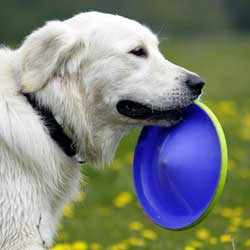
Games like fetch, Frisbee, or tug-of-war are fun but can strain muscles if done in long sessions. Limit playtime to short bursts, then rest and hydrate.
4. Agility and Training Exercises
Use spring to practice obedience and agility skills in your yard or local dog park. This strengthens muscles, improves coordination, and provides mental stimulation.
Tips to Prevent Dog Injuries in Spring
- Warm up your dog with a gentle walk or light play.
- Check the terrain for slippery or muddy areas.
- Watch for fatigue, limping, or reluctance to continue.
- Protect paws with dog boots or balm on rough trails.
- Gradually increase exercise over several weeks.
Special Considerations for Older Dogs
Older pets may take longer to adapt to increased activity. Focus on low-impact exercises like short walks or gentle fetch sessions. Warm-ups, hydration, and supplements help protect joints and muscles.
Checkups and Veterinary Advice
If your dog experiences an injury, even minor, contact your veterinarian promptly. Early intervention prevents long-term issues and helps your pet return to outdoor fun. Regular spring wellness checks ensure your dog is ready for more activity.
Seasonal Safety Reminders
- Keep dogs hydrated with fresh water.
- Use flea and tick prevention.
- Watch for seasonal allergies such as itching, sneezing, or watery eyes.
- Dress dogs appropriately for early spring temperature changes.
Conclusion
Spring is an exciting time for outdoor fun with your dog, but preparation and moderation are essential. Start slow, watch for fatigue, and gradually increase activity. With the right approach, you and your dog can enjoy a season of walks, play, and adventures safely.
For more tips on spring activities with dogs, safe play ideas, and seasonal pet care, visit your local garden center or pet store for expert guidance and resources.