









Planting Shrubs in Cold Soil- Do’s and Don’ts
Planting shrubs in early spring can be challenging, particularly when soil temperatures remain low. Understanding how shrubs respond to cold soil, and which types are best suited for early planting, ensures healthy establishment and vigorous growth throughout the season. Waiting to plant until the soil has warmed and is thoroughly workable is best but if you want to get a head start, here are some facts.
Why Cold Soil Matters
Cold soil slows root growth and nutrient uptake, even for hardy shrubs. Newly planted shrubs may struggle to establish if their roots cannot access water and nutrients efficiently. Be cautious of frozen or waterlogged soils as they can damage tender roots, while uneven thawing can create pockets of air that dehydrate the plant. While it is ok to plant these cold soil tolerant shrubs, please make sure the soil is workable (not too wet or frozen).
Shrubs That Handle Cold Soil Well
Some shrubs are naturally tolerant of early-spring planting in cooler soils. These typically have robust root systems, hardier wood, or a growth cycle that starts later in the season. Examples include:
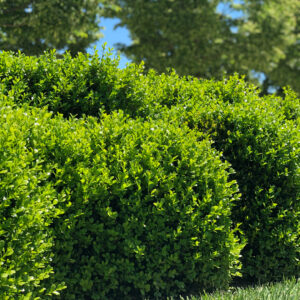
- Boxwood (Buxus spp.): Slow-growing evergreen, tolerates cool soil; prefers well-drained sites.
- Holly (Ilex spp.): Hardy roots, early-spring planting possible; ensure protection from late frosts.
- Red Twig Dogwood (Cornus sericea): Adaptable deciduous shrub; tolerates wet, cool soils and frost.
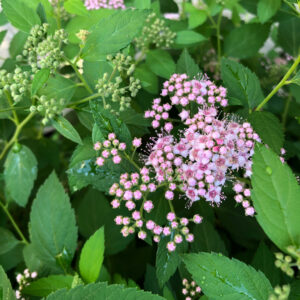
- Spirea (Spiraea spp.): Fast-growing, hardy deciduous shrub; establishes quickly even in cooler soils.
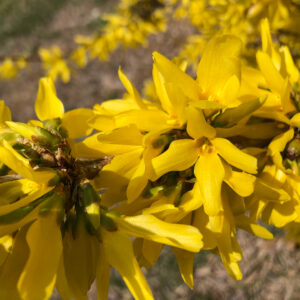
- Forsythia (Forsythia × intermedia): Early-spring bloom, tolerates chilly soil; prune after flowering.
- Viburnum (Viburnum spp.): Robust root systems; select cold-tolerant varieties for early planting.
Shrubs That Prefer Warmer Soil
Some shrubs are sensitive to cold soil and may fail to thrive if planted too early- it is best to wait to plant these until later in the Spring:
- Hydrangea macrophylla & serrata (Bigleaf & Mountain Hydrangea): Roots slow to develop in cold soils; plant after soil warms.
- Azalea & Rhododendron: Require warm, acidic, well-drained soil; cold soil can stunt growth.
Best Practices for Planting in Cold Soil
- Check Soil Temperature: Aim for soil above 40°F (4–5°C) to encourage root activity.
- Improve Soil Structure: Incorporate organic matter, such as compost, to warm and lighten clay-heavy soils.
- Water Carefully: Ensure the soil is moist but not waterlogged; frozen or saturated soil can suffocate roots.
- Wait to Mulch After Planting: Apply 2–3 inches of mulch to insulate roots and reduce temperature fluctuations once temperatures have warmed the soil and it is no longer cold.
- Avoid Fertilizing Immediately: Newly planted trees and shrubs should not be fertilized right away with traditional fertilizer. During this time, the plant’s main priority is establishing a strong root system. Use Espoma Biotone when planting to help encourage root growth and support healthy establishment. Wait until the first full growing season (about one year) after planting before applying regular fertilizer.
Additional Tips
- Planting in raised beds can improve drainage and soil warming.
- Group shrubs strategically according to hardiness and soil tolerance.
- Monitor for late frosts and provide temporary protection for newly planted shrubs.
By selecting the right shrubs and following careful planting practices, gardeners can successfully establish shrubs even in cold soils, giving plants a strong start for the growing season.