Search

Seasonal tips, announcements, and more

The Strader's Blog

Check back often for the latest announcements, planting tips and ideas for your lawn and garden projects.

General Soil Amendments

Confused about soil amendments? Learn the difference between organic and inorganic options, why your soil needs them, and how to apply them for healthier gardens and more productive flowerbeds. Improve structure, nutrients, and overall plant success.

Shade Perennials

Shade gardens offer a wealth of beauty, texture, and contrast with the right plant selections. Discover perennials, groundcovers, and climbers that thrive in low-light conditions while enhancing your landscape. Create a lush, thriving garden with these shade-loving plants.

Rock Gardens

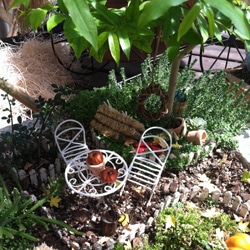
Rock gardens are perfect for challenging spaces or adding elegant structure to your yard. With the right mix of rocks, plants, and accessories, you can create a beautiful, low-maintenance landscape that reflects your style and thrives in tough spots.

Clematis

Clematis may look high-maintenance, but with the right planting, pruning, and support, they reward you with brilliant blooms. Discover tips on care, pruning groups, and how to help these stunning climbers thrive in your garden year after year.

Top Hummingbird Plants for Sun and Shade

Create a hummingbird-friendly garden with vibrant, nectar-rich plants for sun and shade. From fuchsia to salvia, these blooms attract hummingbirds all season long. Visit Strader’s Garden Center for expert advice and the best selection of hummingbird plants.

Shade-Tolerant Annuals

Shady city garden? No problem. These top shade-tolerant annuals - like rex begonias, coleus, and impatiens - bring lush color and texture to urban spaces. Whether on balconies, in narrow lots, or window boxes, these plants thrive without full sun.

The Benefits of Beneficials

Meet nature’s tiny pest control team: Assassin Bugs, Ladybugs, Lacewings, Minute Pirate Bugs, and Praying Mantids. These beneficial insects protect gardens by preying on harmful pests, reducing the need for chemicals and promoting a healthy ecosystem.