









Gentle Spring Wake-Up
As winter fades, perennial beds enter a critical transition period. While clearing away last season’s growth prepares plants for new life, working too aggressively can destroy beneficial insects still overwintering in stems and soil. With a careful approach, you can refresh garden beds while protecting the ecosystem within them.
Why Timing Matters for Pollinators
Many pollinators—including solitary bees, lady beetles, and lacewings—overwinter in hollow stems and leaf litter. Because early spring temperatures fluctuate, these insects often remain dormant into March and April.
Wait until daytime temperatures consistently reach 50°F. This ensures insects have time to emerge safely before you begin cleanup.
Start with a Gentle Cleanup
Instead of clearing everything at once, adopt a gradual method:
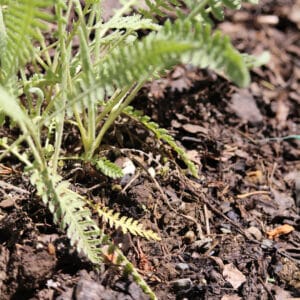
- Remove Debris: Clear loose or matted leaves that might smother emerging crowns.
- Leave Stems: Keep upright stems and seed heads intact until warmer weather arrives.
- Check Before Cutting: Hollow stems of plants such as Coneflower (Echinacea) and Bee Balm (Monarda) often house nesting bees.
Cutting Back Perennials
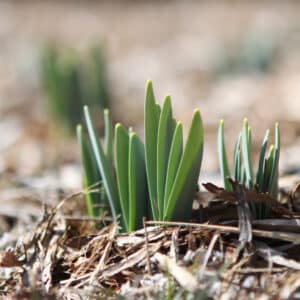
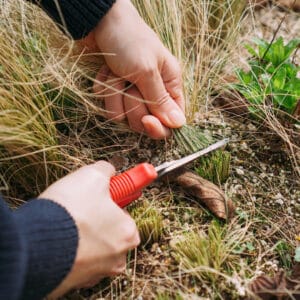
Once green growth appears, you can cut perennials back. Trim stems down to just above new shoots to redirect energy into healthy growth.
Pro Tip: Bundle cut stems loosely and leave them near shrubs for a few weeks. This allows remaining insects to exit naturally before you compost the debris.
Soil Care and Aeration
Post-winter soil benefits from aeration and nourishment.
- Loosen Soil: Carefully aerate compacted soil around plants without disturbing the crowns.
- Add Organic Matter: Apply Bumper Crop compost, Posy Power compost or Moonure to boost microbial life.
- Avoid Synthetics: Unless a soil test indicates deficiency, stick to organic matter; tender roots prefer slow, steady nutrition.
Refreshing Mulch
If old mulch remains, break it up rather than replacing it entirely. You can add a thin top layer, but avoid piling mulch on new shoots, which can trap moisture and invite rot. A proper mulch layer regulates soil temperature and moisture for a healthy start.
Protecting Overwintering Pollinators
- Leave Open Soil: Ground-nesting bees require accessible dirt patches.
- Preserve Stems: Keep stems 8–12 inches high until insects are active.
- Create “Soft Landings”: Designate a garden section for delayed cleanup.
Common Pollinator-Hosting Perennials:
- Coneflower (Echinacea)
- Bee Balm (Monarda)
- Black-Eyed Susan (Rudbeckia)
- Yarrow (Achillea)
- Goldenrod (Solidago)
- Joe Pye Weed (Eutrochium)
- Salvia (Salvia spp.)
Waking your perennial garden gently supports both plants and the pollinators that sustain them. If you need specific guidance, the team at Strader’s is here to help you cultivate a landscape that thrives.