









Everything You Need to Know About Mulch
Mulch may look unassuming, but it’s the secret superstar behind vibrant, thriving landscapes. Choosing the right mulch, and knowing how to apply it like a pro, can transform your flower beds, veggie gardens, and play spaces. If you want a landscape that’s resilient, lush, and safe for both pets and kids, mastering mulch is a must.
Why Mulch Is Essential Beyond Just Looks
Think of mulch as a hardworking bodyguard for your garden. It protects your soil, boosts plant health, and even helps you save time and money. Here’s why mulch plays such a key role:
- Retains moisture and regulates soil temperature, allowing you to water less and preventing your plants from stressing during heat waves or cold snaps.
- Blocks out weeds by smothering unwanted seeds before they can sprout.
- Prevents soil erosion and compaction from rainfall and footsteps.
- Feeds the earth as organic mulch breaks down, improving soil structure and fertility season after season.
Mulch isn’t just a finishing touch for curb appeal. A well-mulched bed means strong roots, Instagram-worthy blooms, and fewer chores for you.
Organic Mulch Versus Stone: Which One Wins
Wondering which mulch is the match for your project? Here’s a breakdown of the classics:
Common Organic Mulches
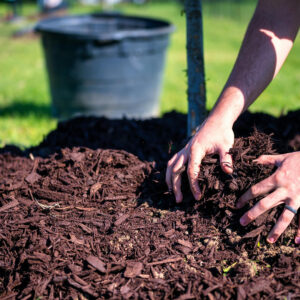
- Hardwood mulch: Naturally dark color, great for extending soil health under shrubs and perennials.
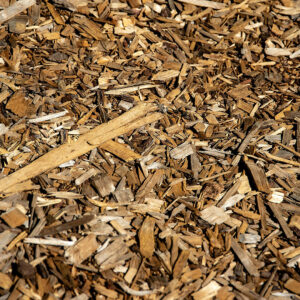
- Pine bark o r Pine Nuggets: Perfect for acid-loving plants like blueberries and azaleas; soft and gentle for delicate roots.
- Compost or shredded leaves: A nutrient-rich powerhouse, available for free or at a low cost, and ideal for eco-friendly gardeners.
- Grass clippings: Great for veggie plots, but make sure they’re pesticide-free and apply them in thin layers to avoid matting.
Popular Stone and Alternative Mulches
- Pea gravel/river rock: Aesthetic, durable, and excellent for drainage; ideal for contemporary beds and drought-tolerant plants.
- Crushed granite: Modern appeal for xeriscaping projects.
- Lava rock: Lightweight, bold look, but use carefully; it can heat up garden beds.
- Rubber mulch: A favorite for playgrounds and dog runs; offers excellent bounce and drainage, but not for edible plant zones.
Bonus tip: If you’re landscaping near your house, stone helps deter termites and lasts for years. However, for beds with trees, vegetables, or perennials, organic mulch wins out for root health and soil improvement.
The Right Time to Mulch for Maximum Benefit
When should you mulch? Timing is everything.
- Spring: Mulch keeps moisture in and weeds out, but wait until the soil has warmed (usually late April or May). Mulching too early can keep the ground chilly and slow down your plants.
- Fall: Mulch insulates roots against winter chills, especially useful for perennials and bulbs. Lay it down after the first frost but before the big freeze hits.
- After storms: Only mulch once the ground has drained after heavy rain or snowmelt; soggy soil combined with mulch can lead to root rot and fungal issues.
Mulch Application Made Simple (and Mistakes to Skip)
Mulching is easy, but a few golden rules make all the difference:
- Spread mulch 2 to 4 inches deep. Less won’t stop weeds; more could suffocate plants.
- Never pile it against trunks or stems (the dreaded “volcano mulching”). Always leave a 2-4 inch gap to fend off pests and rot.
- Start with clean, weed-free, and dry beds. Mulching over weeds or soggy spots is asking for trouble.
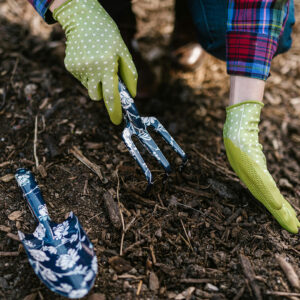
- Get the right tools:
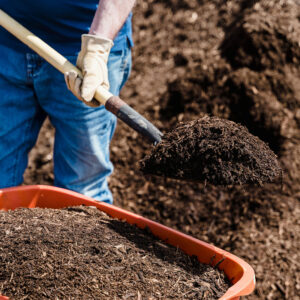
- Wheelbarrow, pitchfork, or shovel for distribution
- Rake for even coverage
- Mulch blower rental for massive projects
Rookie Mistakes to Avoid
- Too much mulch: This can suffocate roots, cause mold, and invite pests.
- Plastic sheeting: It blocks water and oxygen. Instead, choose breathable landscape fabric for weed suppression if needed.
- Neglecting renewal: Organic mulch breaks down over time; top up yearly for continued results.
Safe Mulch Choices for Kids, Pets, and Play
Your garden should be an oasis for everyone, paws and little feet included. Here’s what to know if you share your yard with kids or animals:
Safe bets
- Undyed hardwood mulch: All-natural, chemical-free, and gentle.
- Certified playground mulch: Engineered for safe tumbles and splinter-free play (always check for ASTM or IPEMA certification).
- Rubber mulch: Great for dog runs or play zones, but keep it far from edible gardens.
If in doubt, natural is safest. Shop local garden centers for verified, untreated mulch, and supervise pets until they outgrow digging or chewing habits.
Advanced Tips to Mulch Like a Pro
- Go for double-duty: Consider layering compost first then topping with mulch for extra nutrients.
- Mix up textures: Contrast smooth bark with chunky nuggets or colored pebbles for visual interest.
- Test for pH: If you’re growing sensitive or specialty plants, use a test kit to confirm your mulch choice supports their growth.
Mulch Smart, Mulch Safe, Mulch Beautifully
Mastering mulch means healthier plants, fewer weeds, safer play spaces, and a garden you’ll want to show off. Whether you’re protecting pet paws, feeding a pollinator paradise, or designing a modern rockscape, the right mulch choice and smart application will take your landscape further.
Curious about which mulch fits your dreams and your yard? Need pet-safe picks or help figuring out how much to buy? Visit Strader’s for expert advice, premium mulch, and down-to-earth service.
Mulching has never been this rewarding. Get started today and watch your landscape blossom.