









Beat the Buzz: Beautiful Plants That Keep Mosquitoes Away
Nature’s Pest Control Solution
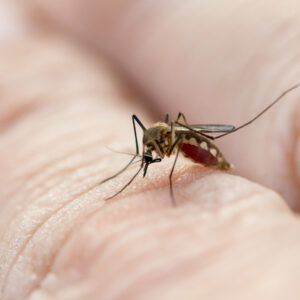
Transform your outdoor space into a mosquito-free sanctuary using the power of plants. While chemical repellents can be effective, many gardeners prefer natural alternatives that offer both beauty and function. Certain plants naturally produce compounds that mosquitoes find unpleasant, creating an aromatic barrier that keeps these pesky insects at bay.
The key to success lies in understanding that these plants work best when their essential oils are released. Brushing against leaves, crushing stems, or simply the natural evaporation of oils on warm evenings helps disperse the mosquito-repelling compounds into the air.
Top Mosquito-Repelling Plants
Citronella Geranium
Often called the “mosquito plant,” citronella geranium produces the same citronella oil found in commercial repellents. This attractive annual thrives in containers and garden beds, producing clusters of small pink or white flowers. The deeply lobed, fragrant foliage releases its potent scent when touched, making it perfect for planting near seating areas.
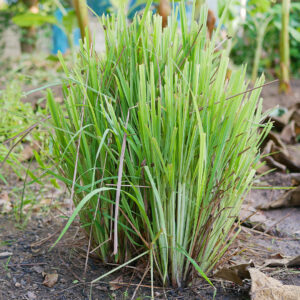
Lemongrass
This tall, graceful grass contains high levels of citronella oil and adds tropical elegance to any landscape. Lemongrass grows in clumps reaching 3-4 feet tall and thrives in full sun with consistent moisture. As a bonus, you can harvest the lower stems for cooking Asian cuisine.
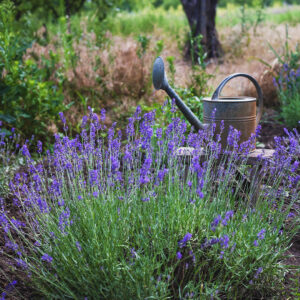
Lavender
Beloved for its calming fragrance and beautiful purple spikes, lavender naturally repels mosquitoes, moths, and other insects. This drought-tolerant perennial prefers well-drained soil and full sun. Plant lavender along pathways or near outdoor dining areas where the scent will be most beneficial.
Mint Varieties
Peppermint, spearmint, and other mint varieties contain menthol compounds that mosquitoes avoid. These vigorous perennials spread readily, making them excellent ground covers for problem areas. Consider planting mint in containers to control its growth while still enjoying its repellent properties.
Additional Natural Repellents
- Marigolds: Their pungent scent deters mosquitoes and many garden pests
- Basil: Multiple varieties including cinnamon basil and lemon basil offer protection
- Rosemary: Woody perennial herb with strong aromatic oils
- Catnip: Studies show it’s more effective than DEET for repelling mosquitoes
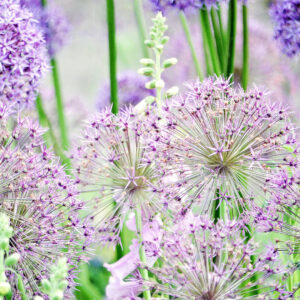
- Alliums: Ornamental onions with globe-shaped flowers that emit sulfur compounds mosquitoes avoid
- Chrysanthemums: Hardy perennial mums containing natural pyrethrum compounds
- Bee Balm: Native perennial that attracts pollinators while repelling mosquitoes
- Lemon Thyme: Cold-hardy herb with citrus scent that mosquitoes dislike
Maximizing Effectiveness
For best results, plant these natural repellents in clusters rather than single specimens. Position them strategically around patios, entryways, and other high-traffic areas. Regular pruning and gentle handling help release more oils into the air. Water plants during morning hours to avoid creating standing water that attracts mosquitoes.
Ready to create your natural mosquito barrier? Visit Strader’s Garden Centers throughout the Columbus area to explore our selection of mosquito-repelling plants and get expert advice on the best varieties for your specific growing conditions.