









April Garden Checklist: Spring Awakening
April feels like a promise kept. The long, gray slumber of winter is finally breaking, replaced by the scent of thawing earth and the sight of green shoots pushing bravely through the soil. It is a time of transition, where we pivot from the quiet of winter into the vibrant momentum of the growing season.
This month is all about balance—nurturing the new growth while preparing for the abundance of summer. Whether you are eager to get your hands dirty or simply planning your landscape’s comeback, use this guide to breathe life back into your garden.
- Heal Winter Wounds
Take a walk through your garden and inspect your trees, shrubs, and perennials. Winter can be harsh, leaving behind broken branches or frost-nipped stems. Gently prune away this damage to prevent disease and clear the path for healthy new growth. Think of it as a little spring cleaning for your plants.
- Feed Your Hungry Plants
As your garden wakes up, it will be hungry. Apply a balanced, slow-release fertilizer to your shrubs and perennials to give them the energy they need for the season ahead. For your vegetable patch, mixing in Bumper Crop compost or Worm Castings now will give your seedlings a strong foundation. Just be careful not to overdo it; follow the label to keep your plants happy.
- Sow Your Salad Greens
One of the joys of April is planting cool-weather crops. The soil is cool but workable, making it perfect for direct-sowing peas, spinach, lettuce, and radishes. If the ground is still a bit soggy from spring rains, wait a few days until it dries out slightly to prevent seed rot.
- Divide and Conquer
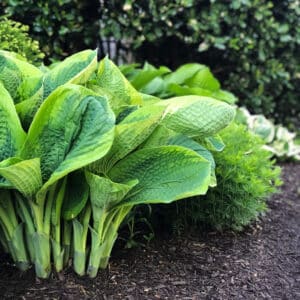
Perennials like hostas, daylilies, ornamental grasses, salvia, and catmint are incredibly generous, often growing larger than their space allows. April is the perfect time to dig them up and divide them before they get too big. It is a great way to invigorate the plants and get “free” additions for other parts of your garden.
- Master the Mulch
Weeds are opportunistic, and they love bare soil. Get ahead of them by replenishing mulch around your garden beds and trees. Not only does this suppress weeds, but it also locks in moisture and keeps the soil temperature stable for delicate roots. A little hand-weeding now saves hours of work later in the summer.
- Welcome the Early Pollinators
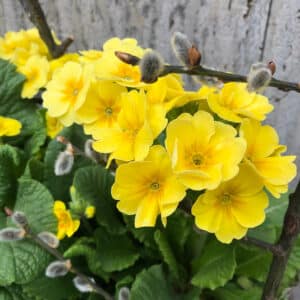
As the temperature climbs, you might spot bumblebees and solitary bees looking for their first meal. Help them out by planting early-blooming favorites such as crocuses, hellebores, and primroses. They provide essential nectar when food sources are scarce.
- Prune with Purpose
Continue to shape your summer-blooming shrubs to encourage better air circulation and stronger stems. However, hold off on pruning spring favorites like lilacs or forsythia until after they have finished blooming, or you risk cutting off this year’s flowers.
- Acclimate Your Transplants
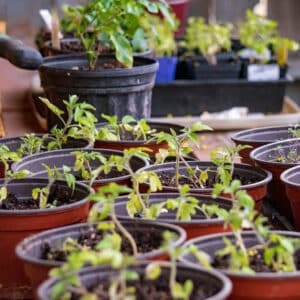
If you started tomatoes or peppers indoors, they aren’t quite ready for the great outdoors just yet. Begin the process of “hardening off” by placing them outside in a sheltered spot for a few hours each day, gradually increasing their exposure. This toughens them up so they don’t go into shock when they are finally planted.
- Check Your Water Systems
Before the heat sets in, inspect your hoses, sprinklers, and rain barrels. Winter freezes can cause cracks or leaks that you don’t want to discover during a dry spell. Ensure everything is watertight and ready to go.
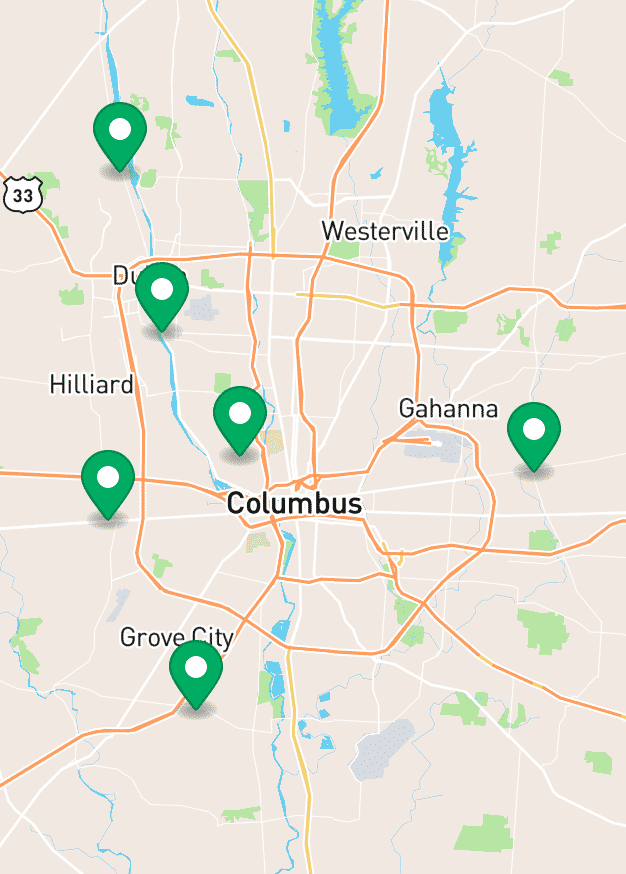
- Visit Strader’s Garden Center
Sometimes you need the right tool—or just a bit of inspiration—to get started. Stop by to explore our selection of seeds, soil amendments, and seasonal plants. Our team is here to guide you on timing and selection to ensure your garden thrives this season.
April sets the tone for everything that follows. By tackling these tasks now, you are building a foundation for a landscape that is healthy, resilient, and bursting with life.